Onboarding Voice Actors
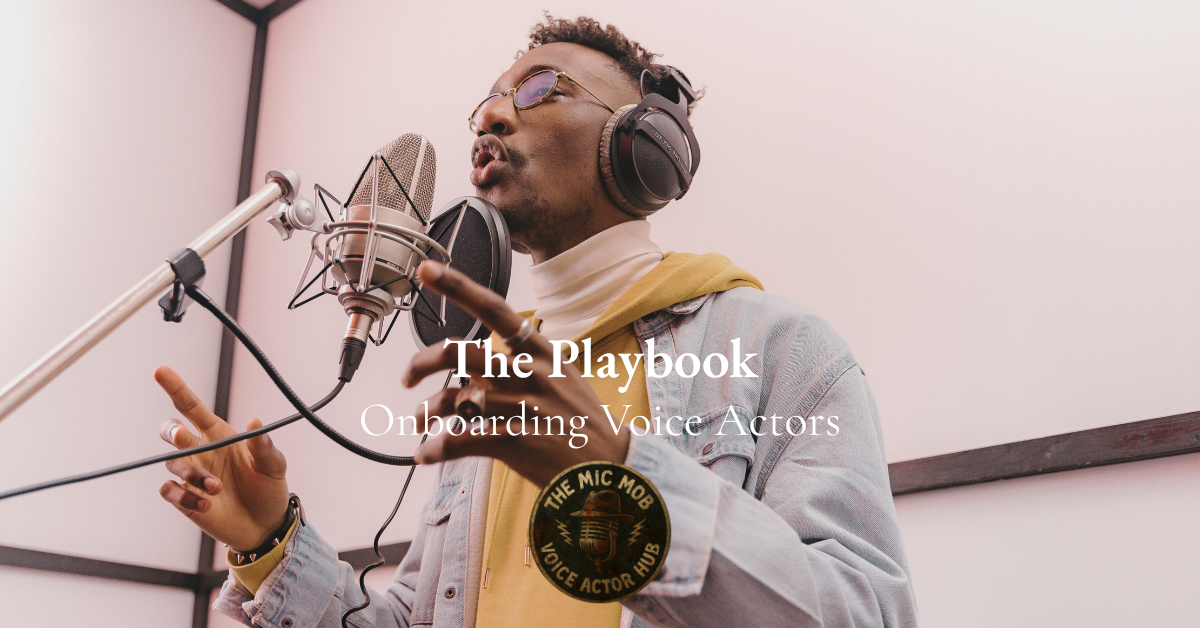
Casting an actor is the beginning of the collaboration, not the end of the process.
Clear onboarding prevents confusion, missed deadlines, and strained working relationships. The more structured you are upfront, the smoother the production.
Here’s what professional projects provide once a role is cast.
1. Written Confirmation
Confirm the role in writing.
Include:
Role name
Compensation terms
Estimated line count
Recording deadline
Revision expectations
Clarity at this stage prevents confusion later.
2. Use an Onboarding Form
Before recording begins, collect the information you will need later.
An onboarding form should include:
Name for any written agreement
Name to be credited (if different)
Email
IMDb link (if applicable)
Preferred payment method
Discord name (if applicable)
This avoids crediting mistakes and makes final attribution smooth.
It also prevents the common issue of the Producers/Director guessing how someone wants to be credited.
3. IMDb Considerations
If you intend to list your project on IMDb (recommended), plan this early.
Important notes:
Actors must request credit unless they have an IMDbPro account.
If you list someone under a stage name without coordination, IMDb may create a separate page that the actor cannot easily claim.
Credits should match the name the actor wants publicly attached to the project.
Oftentimes, their IMDb name may be common, such as Tom Jones (XV) or higher. A direct link to their profile is therefore preferred.
Agree on the credit format during onboarding. This protects both the project and the performer.
4. Provide Context and Technical Specs
Share:
Full script or relevant scenes
Character background
Pronunciation guides
Emotional direction
File format requirements
Naming conventions
Delivery method (we provide folders)
The more structured the process, the fewer revisions you’ll need.
5. Use a Protected File Environment
Voice recordings and scripts are assets.
Use secure, controlled systems for file sharing:
Private cloud folders
Limited access permissions
Two-factor authentication
Encrypted or secure storage
Avoid open public links.
Protecting files protects your actors and your intellectual property.
6. Track the Process
Use a shared production tracker.
A simple Google Sheet can include:
Actor name
Role
Lines delivered
Payment status
Revision status
IMDb credit confirmed
Dropdowns and checkboxes prevent mistakes and keep communication clean.
Professional workflow builds confidence.
7. Address AI Usage Transparently
If your project respects the NAVA AI Rider, include it in onboarding and obtain written acknowledgment.
Actors need assurance that:
Recordings will not be used for AI training
Voices will not be cloned
Files will not be sold or transferred
Transparency at this stage builds trust.
~ ~ ~
Scope changes should be acknowledged, not assumed. Well organized projects protect the time and labor of everyone involved.
